

Low Sugar Boba Tea Options That Taste Great

A boba craving does not have to mean choosing between a drink you love and a lighter day. The best low sugar boba tea options keep the fun part intact: fragrant tea, a creamy or fruity finish, and toppings with that unmistakable chewy pop. The secret is not removing all sweetness. It is choosing where sweetness earns its place.
For Denver drink lovers who want a crafted treat without an overly sweet finish, a few thoughtful menu choices can make a real difference. Start with a tea you genuinely enjoy, adjust the sweetness with purpose, and think of toppings as part of the drink's flavor balance rather than an automatic add-on.
What Makes a Boba Drink Higher in Sugar?
Sugar can come from more than one place in a bubble tea. The tea base may be sweetened, but fruit syrups, powders, flavored creamers, milk alternatives, jellies, popping boba, and classic tapioca pearls can all add sweetness too. That is why a drink that sounds light, such as a fruit tea, can still taste very sweet when it is built with syrup and several toppings.
This does not make those choices bad. A full-sweetness brown sugar milk tea can be exactly the celebration of flavor someone wants on a weekend outing. But if you are looking for lower-sugar choices more often, it helps to build your drink around one standout flavor instead of layering several sweet components together.
The goal is a beverage that still tastes complete. Tea brings aroma and gentle bitterness, milk adds body, fruit gives brightness, and a modest amount of sweetener rounds out the edges. When each piece has a role, less sugar can feel like a flavor choice, not a compromise.
Low Sugar Boba Tea Options Start With the Base
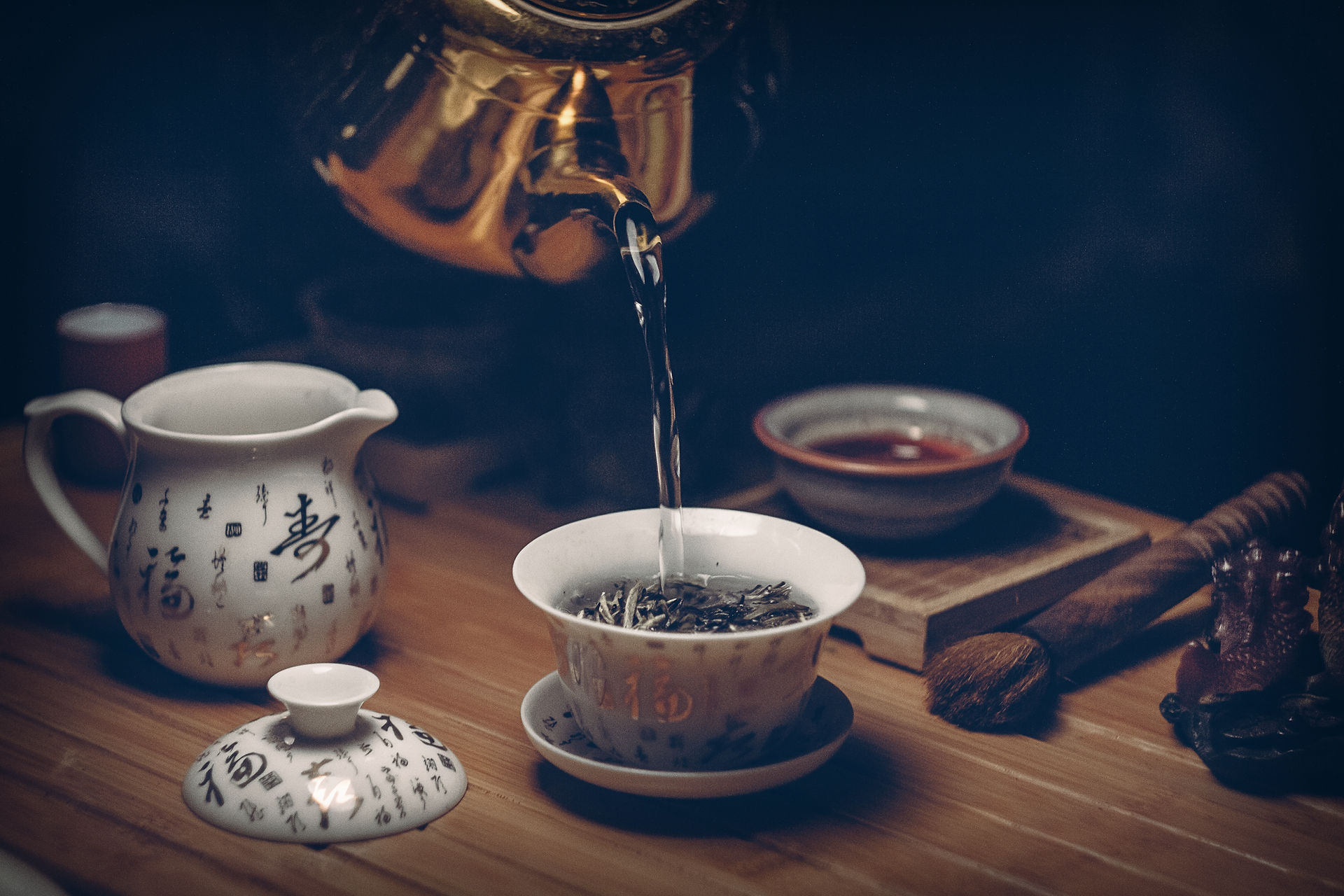
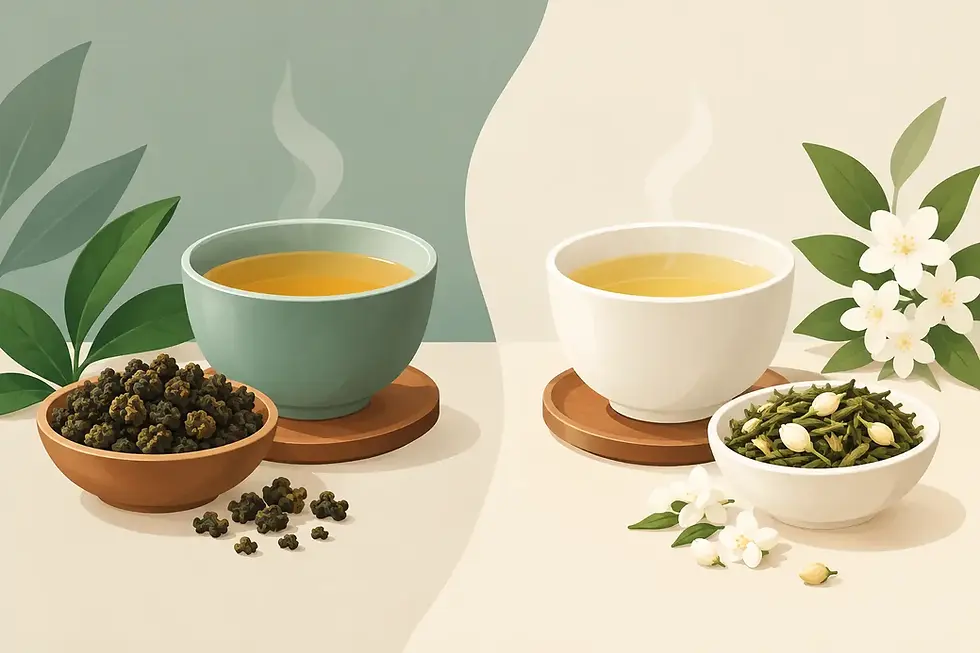
A brewed tea base is often the easiest place to begin. Black tea has a fuller, malty flavor that stands up well to milk. Green tea can feel clean and fresh with citrus or floral notes. Jasmine tea adds a naturally aromatic lift, while oolong offers a deeper roasted character. When the tea itself is flavorful, you are less likely to need extra sweetness to make the drink interesting.
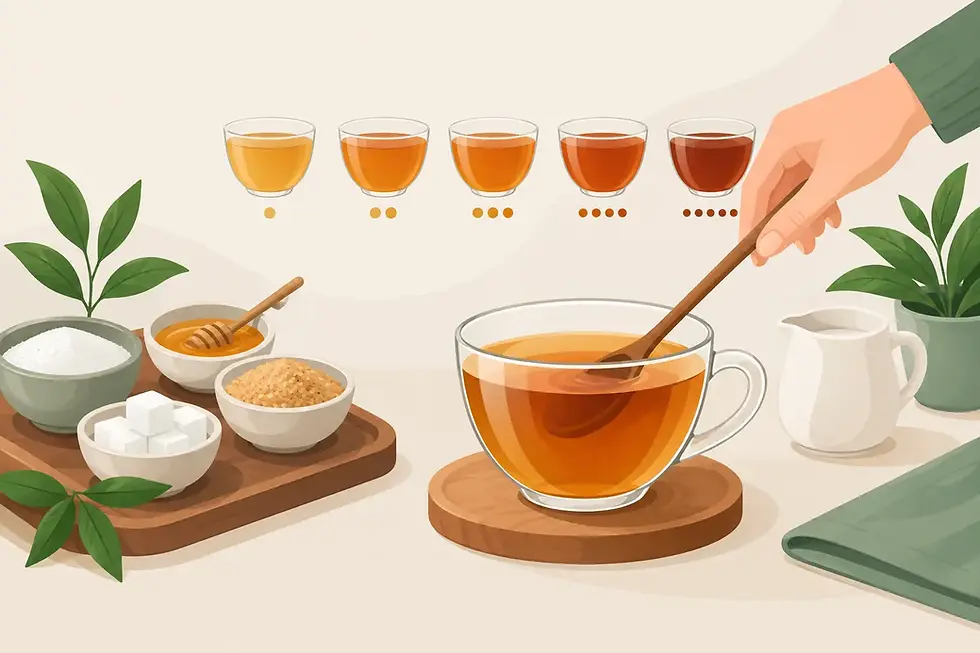
For a milk tea, ask for a lower sweetness level first rather than assuming you need none. Depending on the recipe and your taste, 25% or 50% sweetness may still give you a balanced, satisfying cup. Zero sugar can work beautifully with some teas, especially if you enjoy unsweetened tea or prefer a more grown-up, less dessert-like finish. With other flavor combinations, though, zero may make the drink taste flat or bring out tannins more strongly.
Fruit tea fans can take a similar approach. Choose a tea-forward fruit drink and request lighter sweetness, especially when the fruit flavor is already concentrated. Lemon, peach, passion fruit, mango, and berry flavors all taste different at reduced sugar levels. Bright, tart profiles often stay lively with less sweetener, while richer tropical flavors may feel best with a little more.
Choose Toppings With Intention
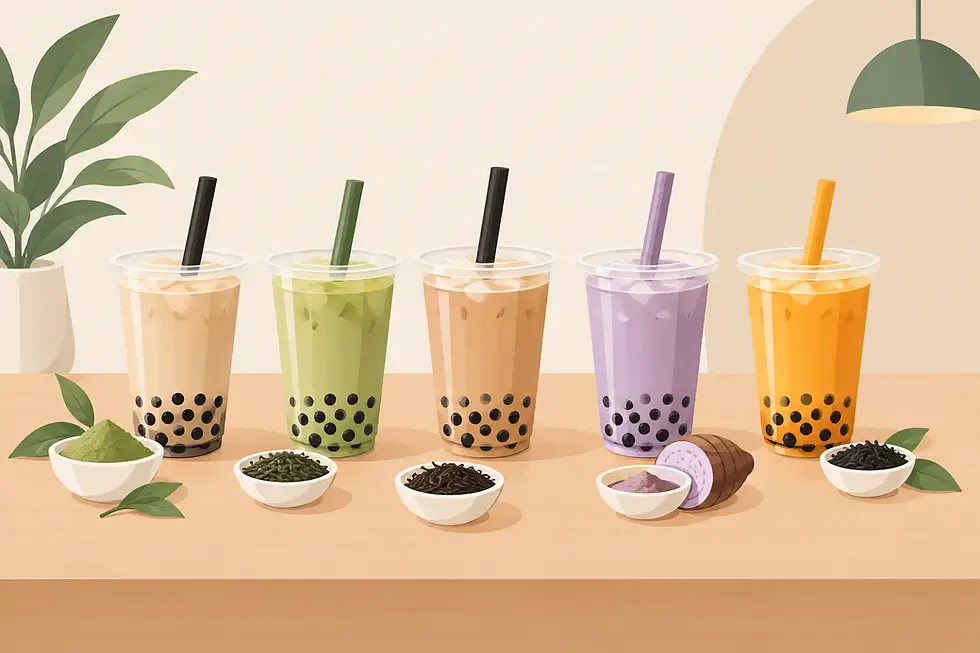
Tapioca pearls are part of the classic boba experience, but they are typically prepared with sweetener. If lower sugar is your priority, consider ordering fewer pearls, skipping them occasionally, or choosing a topping only when it truly adds to the drink you have in mind.
Popping boba and fruit jellies can be fun, colorful additions, but they may also bring more sweetness. They are ideal when you want a treat-like drink and a burst of texture. On a day when you are keeping things lighter, a tea with no topping can be surprisingly satisfying, particularly when the tea and flavor pairing are well made.
There is no single right topping rule. A smaller portion of classic pearls in a lightly sweetened milk tea may be more enjoyable to you than a topping-free drink you do not finish. The better choice is the one that lets you savor the beverage rather than feel like you settled for it.
Creamy Drinks Need a Different Balance
Creamy boba drinks can be lower in sugar, but they require a little extra thought because creaminess can soften tea flavor and make sweetness more noticeable. A classic milk tea with reduced sugar is often a reliable choice because the tea still has room to shine.
If a menu offers different milk or non-dairy options, remember that they can change more than texture. Some alternatives have their own natural sweetness, while others taste more neutral. Ask what pairs well with the tea you choose, then start at a lower sweetness level. You can always go sweeter next time, but discovering a favorite lighter combination is part of the experience.
Avoid treating every creamy drink as interchangeable. A rich caramel or brown sugar-inspired flavor is designed to be indulgent, while a floral milk tea or a straightforward black milk tea may be easier to enjoy with less added sweetness. It depends on whether you want a dessert moment or an everyday refreshment.
How to Order a Lower-Sugar Drink With Confidence
Ordering low sugar does not require complicated beverage vocabulary. A simple request is enough: choose your tea, ask for 25% or 50% sweetness, and decide whether you want pearls or another topping. If you are new to boba, that is a great first order because it gives you a clear sense of the tea and lets you adjust from there.
When you are unsure, tell the person taking your order that you want something flavorful but not overly sweet. A dedicated boba shop can help point you toward tea profiles that match your preferences, whether you like creamy, fruity, floral, or bold flavors. At Beautea Bubbles, every beverage is a celebration of flavor, and that celebration can absolutely include a lighter sweetness level.
A few choices tend to work well for guests who are experimenting:
A classic black or jasmine milk tea at 25% or 50% sweetness
A green or jasmine fruit tea with light sweetness and no topping
An unsweetened tea-forward drink with a small serving of tapioca pearls
A lightly sweetened milk tea without syrup-heavy flavor additions
These are starting points, not strict rules. If 25% tastes too restrained, move up to 50% next time. If 50% still feels sweeter than you want, ask for less. Your ideal order may also shift with the season, your meal, or the flavor you are in the mood for.
Flavor Is More Than Sugar
One reason boba is such a memorable drink experience is that it brings together temperature, aroma, texture, and color. Sugar is only one part of that picture. A fragrant jasmine tea over ice, a ripe fruit note, or the chew of fresh pearls can make a drink feel special without pushing sweetness to the front.
This is also why quality matters. When tea is thoughtfully prepared and flavors are balanced, a lower-sugar drink has more to offer than just less sweetness. You can actually taste the tea, notice the fruit, and enjoy the finish instead of getting one long sugary note.
If you usually order at full sweetness, try making one small adjustment rather than changing everything at once. Keep your favorite flavor and topping, then lower the sweetness level by one step. It is an easy way to find a new go-to while keeping the boba ritual you look forward to.
The most satisfying order is the one that fits your taste and your moment. Choose a tea that sounds delicious, let sweetness support the flavor instead of covering it, and leave room to enjoy every last sip.
Comments