

Boba Tea Calories and What Changes Your Drink

A boba run can be a quick afternoon treat, a catch-up with friends, or the bright spot between classes. And when you are wondering about boba tea calories, the answer is rarely found in one simple number. The same tea base can become a light, fruit-forward sip or a rich, dessert-like creation depending on the milk, sweetness, toppings, and cup size you choose.
That flexibility is part of what makes bubble tea so fun. It also means the most useful question is not, “Is boba tea high in calories?” It is, “What is in the cup I want today?” Once you know what moves the number up or down, you can order for the moment - whether that means full celebration mode or something a little lighter.
What Affects Boba Tea Calories?
Tea itself is typically the lightest part of the drink. Brewed black tea, green tea, jasmine tea, and oolong tea generally contribute very few calories when served without sweetener or milk. The bigger changes happen when flavor, creaminess, and texture enter the picture.
A fruit tea made with brewed tea, fruit flavor, and ice may land on the lighter side, especially when ordered with less sugar and no creamy add-ins. A milk tea with a richer base, full sweetness, brown sugar syrup, and chewy tapioca pearls will naturally be more substantial. Neither choice is “better.” They simply offer different experiences.
Portion size matters, too. A larger cup may hold more tea and ice, but it can also hold more milk, syrup, and toppings. If you have a favorite flavor but want to keep the overall drink more moderate, choosing a smaller size can make a noticeable difference without changing the drink’s character.
The Parts of Your Cup, Explained
Sweetness level
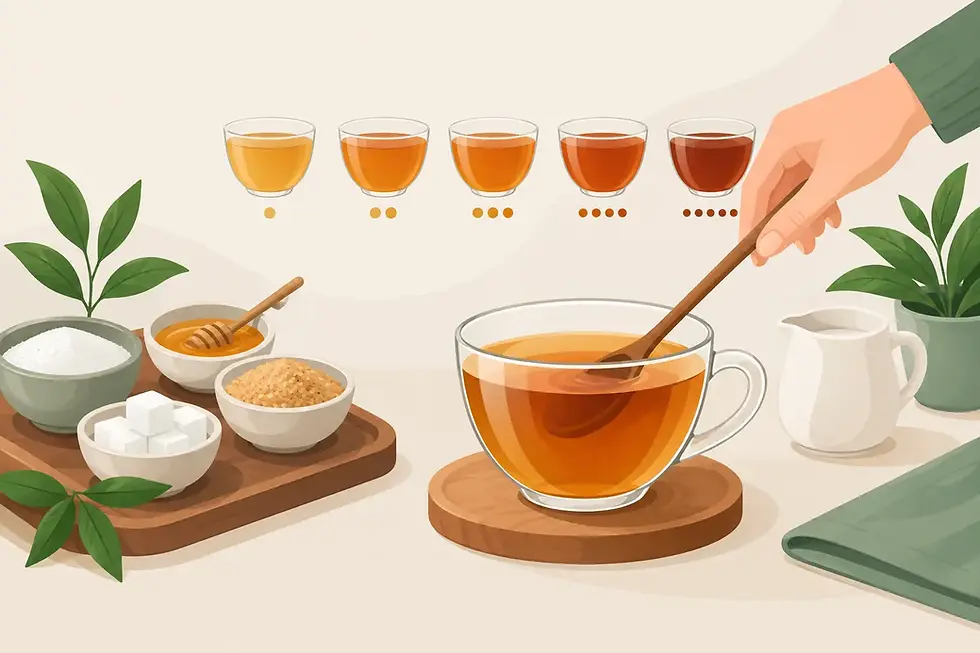
Sweetener is often the largest adjustable source of calories in a boba drink. Syrups, cane sugar, honey-style sweeteners, and brown sugar sauces can add up quickly, especially in drinks built around a caramelized or dessert-inspired profile.
Many boba lovers find that 50% or 75% sweetness still lets the tea and fruit flavors come through beautifully. For a first order, 50% is often an approachable place to start. If you are trying a naturally sweet fruit blend, 25% or 50% may be plenty. On the other hand, a brown sugar milk tea is meant to be indulgent, and full sweetness may be exactly what you are craving.
Milk and creamy bases
Milk tea can be made with dairy milk, nondairy milk, creamers, or blended creamy bases, depending on the recipe. Calories vary widely because each option brings a different level of richness, sugar, and fat.
A straightforward milk tea with a lighter milk choice may be less calorie-dense than a drink made with a sweetened creamer or a blended base. But texture matters here. A creamier option creates the velvety, comforting body many people expect from classic milk tea. If that is the flavor experience you came for, it can be worth enjoying as the treat it is.
Tapioca pearls and other toppings
Classic black tapioca pearls, often simply called boba, are made primarily from tapioca starch and are usually prepared with a sweet syrup. Their signature chew is a major part of the experience, but they do add calories and carbohydrates to the cup.
Other toppings can change the drink in different ways. Popping boba can add a juicy burst and may contain sweetened fruit liquid. Jellies bring a firmer bite and often have their own syrup. Pudding, custard, foam, and whipped toppings tend to make a drink feel more dessert-like. Aloe or herbal jelly may be a lighter-feeling option, though preparation and sweetness still matter.
There is no need to avoid toppings altogether. One topping is often enough to make a drink feel complete, and it gives the tea base room to shine.
Flavor concentrates and special sauces
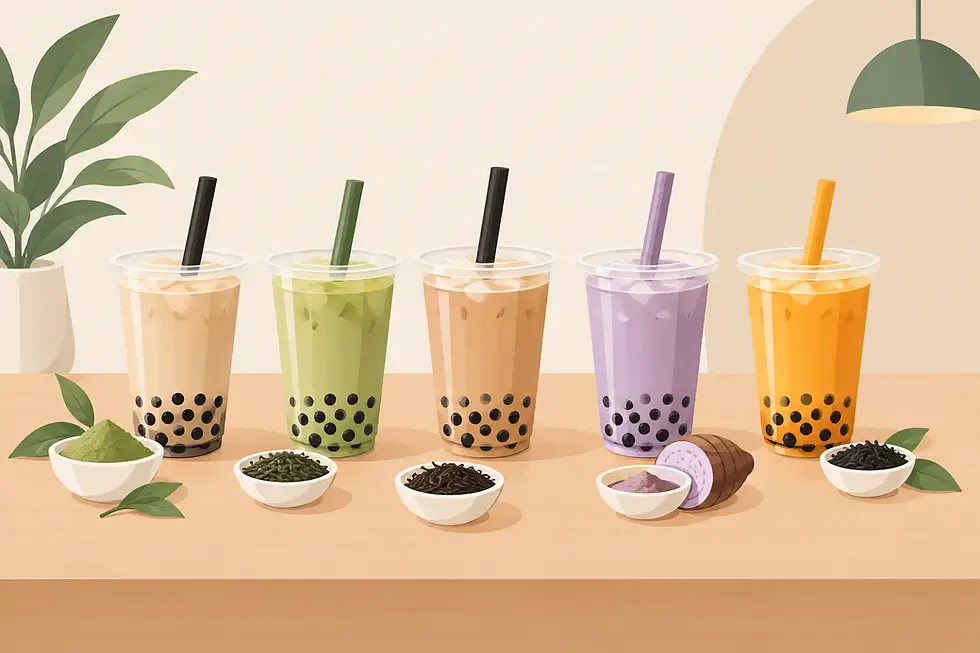
Taro, Thai tea, matcha, chocolate, cookies-and-cream, and brown sugar drinks can be especially rich because their flavor comes from powders, sauces, or sweetened mixes as well as the base tea or milk. These are often the drinks that feel most like a dessert in a cup.
Fresh, citrusy, or floral fruit teas usually create a brighter profile, though fruit syrups can still add plenty of sweetness. A drink that tastes fresh is not automatically low in calories. The recipe and sweetness setting tell the fuller story.
A Practical Range for Boba Tea Calories
Because recipes vary so much, calorie estimates are best treated as ranges rather than promises. A smaller unsweetened brewed tea can be close to calorie-free. A fruit tea with a modest amount of sweetener may fall roughly in the 100 to 250 calorie range, depending on the flavor and size.
A typical milk tea without toppings may often range from about 200 to 350 calories. Add classic boba, and the drink can commonly move into the 300 to 500 calorie range. Large, fully sweetened specialty drinks with brown sugar, rich milk bases, multiple toppings, foam, or blended ingredients can go beyond that.
Those numbers are not a scorecard. They are a useful reminder that “boba tea” describes a huge family of drinks, not one fixed recipe. The most accurate information always comes from the specific shop and drink recipe, particularly when ingredients are made in-house or customized to order.
How to Order a Lighter Boba Drink Without Losing the Fun
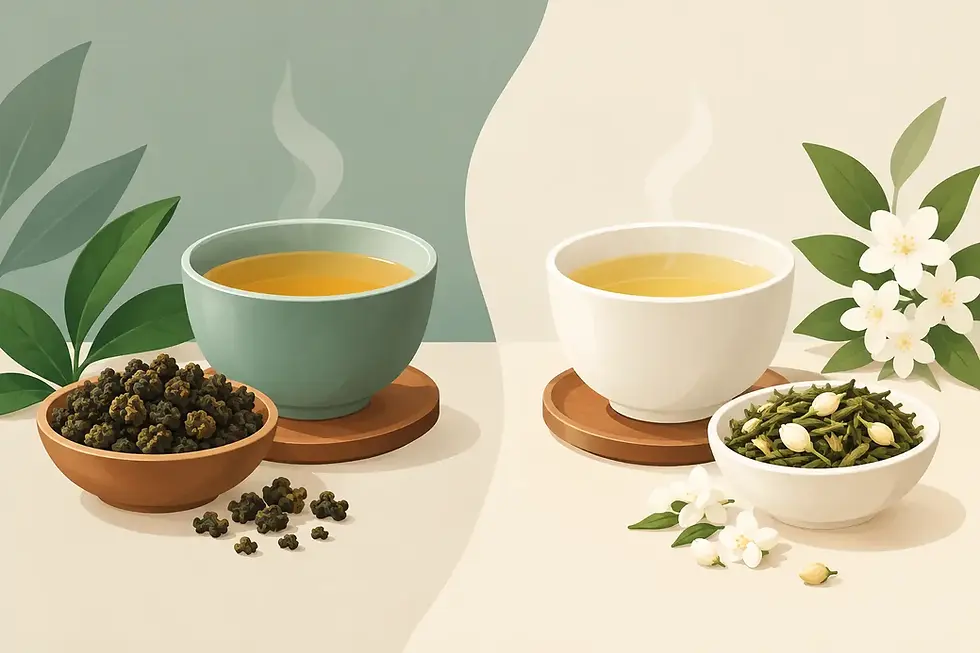
A lighter order does not have to mean a plain order. Start with a tea-forward base you genuinely enjoy. Green tea, jasmine tea, black tea, and oolong each bring their own personality, from floral and crisp to malty and bold. A fruit tea lets those notes stay front and center.
Then adjust one or two elements instead of changing everything at once. You might choose 50% sweetness and keep your favorite pearls. Or you might order a creamy milk tea at your usual sweetness but skip the extra foam. This approach is more satisfying than creating a drink that does not taste like something you actually want.
If you are new to bubble tea, consider a medium-sized fruit tea with 50% sweetness and one topping. It is an easy introduction to the contrast that makes boba special: chilled tea, lively flavor, and a playful chew at the bottom of the cup.
For a classic milk tea moment, try a smaller size, choose a reduced sweetness level, and keep the tapioca pearls if they are the reason you ordered boba in the first place. The goal is not to strip away joy. It is to make choices that match your appetite, your day, and the kind of treat you want.
When a Rich Boba Tea Is Exactly the Right Choice
Some drinks are designed for a little extra celebration. A brown sugar boba milk tea after a long week, a creamy taro drink shared on a Denver afternoon, or a colorful specialty creation during a friend meetup does not need to be justified by a calorie count.
Food and drink are also about connection, ritual, and pleasure. A richer beverage may be more filling, so it can make sense as an occasional treat or alongside a lighter meal. It depends on your preferences and your routine, not a one-size-fits-all rule.
At Beautea Bubbles, every beverage is a celebration of flavor, and the best order is one that gives you that feeling. Ask about sweetness adjustments and toppings when you order, especially if you are deciding between two favorite combinations.
Your Best Boba Order Is the One You Enjoy
Knowing what shapes boba tea calories gives you more freedom at the counter. You can go bright and tea-forward when you want something refreshing, choose a creamy classic when comfort sounds good, or make room for an all-out specialty drink when the occasion calls for it.
Let your cup fit the moment. A little customization can keep your favorite flavors in the picture while making every boba stop feel like the treat you were hoping for.
Comments