

Is Boba Tea Caffeinated? What to Know Before You Sip

A bright fruit tea with chewy pearls can feel like a playful afternoon treat. A creamy milk tea can feel more like a cozy coffee-shop pick-me-up. So, is boba tea caffeinated? Often, yes - but not always. The answer comes down to what is in your cup, especially the tea base.
For boba fans, that is good news: bubble tea is wonderfully customizable. Whether you are looking for a little lift between classes, a flavorful alternative to coffee, or a caffeine-free drink for a late-night catch-up, there is usually a boba style that fits the moment.
Is Boba Tea Caffeinated?
Traditional boba tea is made with brewed black tea, which naturally contains caffeine. Many milk teas also begin with black tea, green tea, oolong tea, jasmine tea, or another true tea variety. If your drink starts with one of these ingredients, it likely has some caffeine.
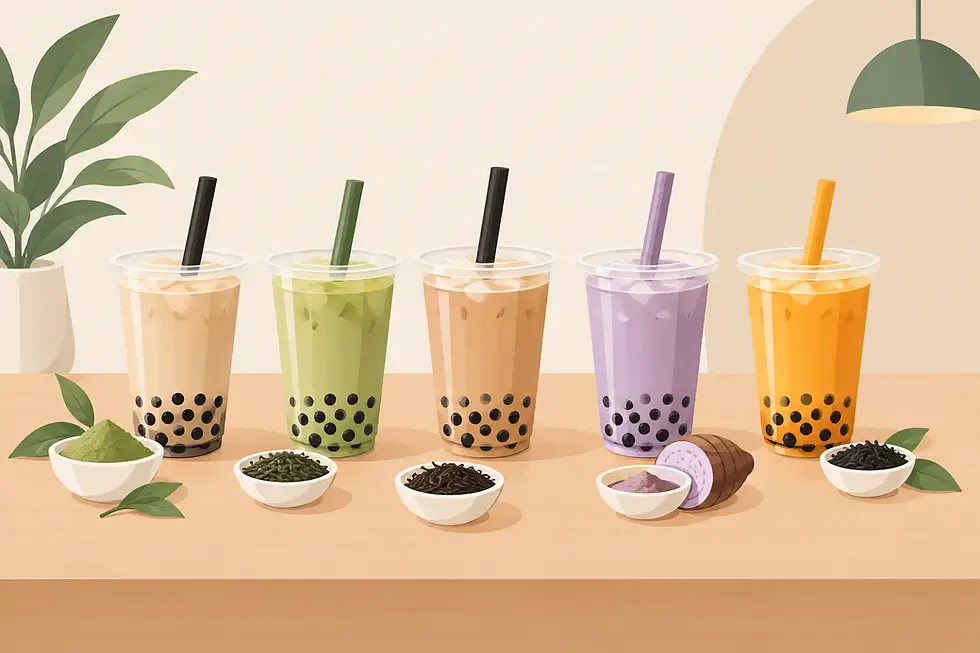
Still, boba is not one single recipe. The name refers broadly to tea-based drinks served with tapioca pearls or other toppings. Some drinks use herbal tea, fruit flavors, milk, blended ice, or caffeine-free bases instead. A strawberry milk drink with boba, for example, may have no tea at all. A matcha boba drink, on the other hand, is generally caffeinated because matcha comes from green tea leaves.
That variety is part of what makes boba such a fun drink to order. You can choose a drink for the flavor first, then fine-tune the base to match how you want to feel afterward.
What Gives Bubble Tea Its Caffeine?
The tea base is usually the biggest source of caffeine. Black tea is a familiar choice for classic milk tea, and it tends to deliver a noticeable but moderate boost. Green tea and jasmine green tea are also caffeinated, though the amount can differ based on the tea, how it is brewed, and how much tea is used in the finished drink.
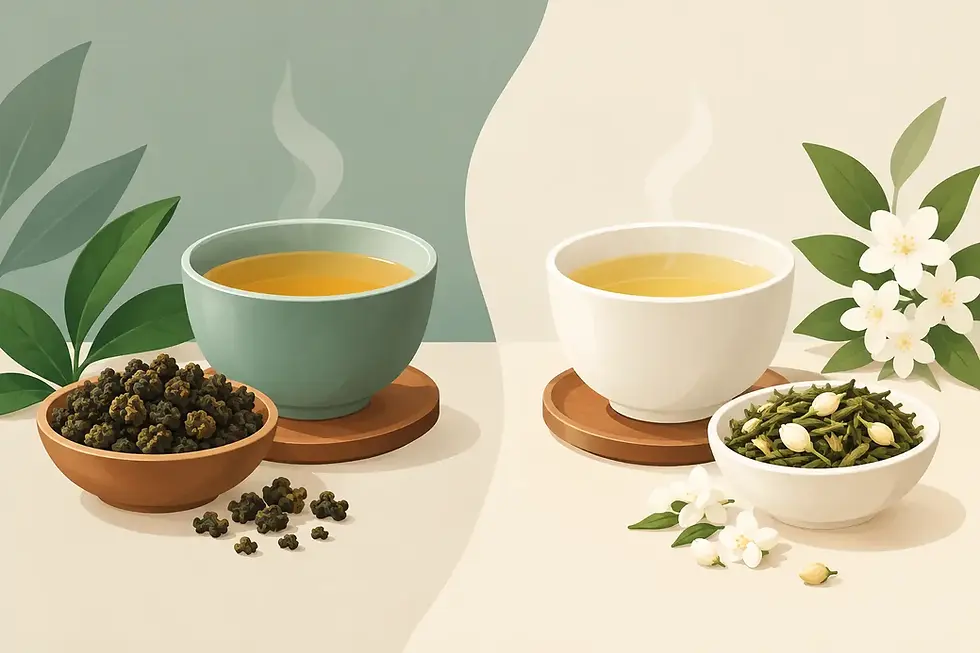
Oolong tea contains caffeine, too. It can bring a deeper, lightly roasted flavor that pairs beautifully with milk and caramel-like brown sugar notes. Matcha may feel more energizing than a standard brewed tea because you consume the finely ground tea leaf rather than steeping and removing it. Its effect can still vary from person to person.
Coffee-based boba drinks contain caffeine from coffee or espresso. These are worth treating more like a specialty coffee beverage than a typical fruit tea, especially if you are sensitive to caffeine or ordering later in the day.
Tapioca pearls themselves are usually not caffeinated. They are made primarily from tapioca starch and cooked in a sweet syrup. Popular toppings such as fruit jellies, popping boba, pudding, and aloe are also typically caffeine-free. The exception is any topping or flavor made specifically with tea, coffee, chocolate, or an energy-style ingredient, so asking about a particular recipe is always smart.
How Much Caffeine Is in a Boba Drink?
There is no universal caffeine number for bubble tea. A drink's caffeine level changes with the type of tea, the strength and length of the brew, the serving size, and whether the recipe includes extra matcha, coffee, or concentrated tea.
A classic black milk tea may have less caffeine than a large brewed coffee, but it can still provide enough of a lift for someone who rarely drinks caffeine. A green tea fruit drink might be lighter, while a coffee boba creation or a matcha-forward beverage could be stronger. Sweetness and ice level can also change the experience: more ice may dilute the drink slightly, while less ice can make each sip taste more concentrated.
If you track caffeine closely, a menu description alone may not tell the whole story. Recipes differ from shop to shop, and even the same tea can vary by batch. The most helpful approach is to ask what tea base is used and whether a caffeine-free substitution is available.
Choosing a Caffeinated Boba Drink on Purpose
Caffeine can be part of the pleasure. A handcrafted milk tea can make an ordinary afternoon feel a little more celebratory, and a sparkling fruit tea can be a refreshing alternative when a second coffee sounds too heavy.
For a gentler option, consider a fruit tea made with a lighter tea base, or ask whether it can be made with an herbal or caffeine-free base. If you want more of a pick-me-up, black tea, oolong, jasmine green tea, matcha, and coffee-based drinks are natural places to start.
Timing matters, too. A caffeinated boba can be a great companion for a study session, an afternoon errand, or a weekend walk around Denver. If caffeine affects your sleep, an evening boba run may be the perfect time to explore caffeine-free fruit drinks, creamy milk-based flavors without tea, or toppings that make the drink feel extra special without adding a buzz.
Does Sweetness Change the Caffeine?
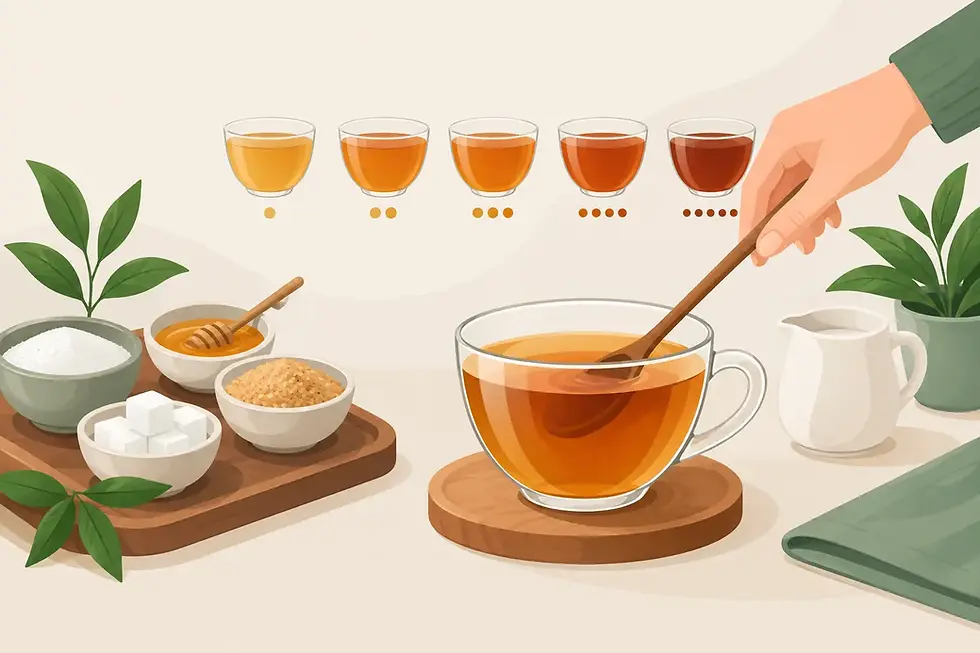
Not directly. Choosing regular, light, or no added sweetness does not remove caffeine from a tea-based drink. Sugar changes the flavor and richness, while the tea or coffee determines whether caffeine is present.
That said, a less-sweet drink can make the tea notes stand out more clearly. If you enjoy the floral character of jasmine, the toastiness of oolong, or the grassy brightness of matcha, lowering the sweetness may let those flavors shine. If you are here for a dessert-like treat, a sweeter milk tea with brown sugar pearls can be exactly the celebration of flavor you had in mind.
Milk choices do not usually affect caffeine either. Dairy milk, oat milk, almond milk, and non-dairy creamers can change body, sweetness, and texture, but the caffeine still comes from the tea or coffee base. This is useful when you are balancing dietary preferences with the kind of energy boost you want.
When to Ask a Few Extra Questions
For most guests, knowing whether a drink uses black tea, green tea, matcha, or coffee is enough. But a quick question is especially helpful if you are very caffeine-sensitive, choosing a drink for a child, pregnant or nursing, managing a health condition, or taking medication that may interact with caffeine.
Ask whether the drink contains real brewed tea, what kind of tea it uses, and whether it can be made without tea. If a shop cannot make the exact recipe caffeine-free, they may be able to suggest a fruit-forward or milk-based alternative that delivers the same joyful color, texture, and flavor experience.
Remember that decaffeinated does not always mean completely caffeine-free. Decaf tea can still contain a small amount of caffeine. If avoiding caffeine entirely matters to you, herbal or tea-free drinks are generally the clearer choice, provided the other ingredients are also caffeine-free.
A Boba Order That Fits Your Day
The best boba order is not automatically the strongest or the sweetest. It is the one that matches your mood, your taste, and your plans after the last pearl is gone. Maybe that is a classic black milk tea before an afternoon meeting. Maybe it is a caffeine-free mango drink shared with family after dinner. Maybe it is a matcha creation when you want creamy, earthy flavor with more energy behind it.
At Beautea Bubbles, every beverage can be a celebration of flavor, and knowing your tea base helps make that celebration feel even more personal. Ask about the ingredients, follow your own caffeine comfort level, and choose the sip that makes your day taste brighter.
Comments