

Fruit Tea Versus Milk Tea: Which Fits You?

A boba order can match the moment as closely as a favorite playlist. Want something bright after a long Denver afternoon? Fruit tea may be calling. Craving a smooth, dessert-like treat for a catch-up with friends? Milk tea is ready for that role. In the fruit tea versus milk tea question, there is no single winner - only the flavor experience that sounds best right now.
Both drinks can be colorful, customizable, and wonderfully refreshing. Both can come with chewy boba, popping toppings, or a lighter finish. The biggest difference is the feeling in each sip: fruit tea leads with juicy tea and vibrant flavor, while milk tea brings creaminess, depth, and cozy sweetness.
Fruit Tea Versus Milk Tea: The Main Difference
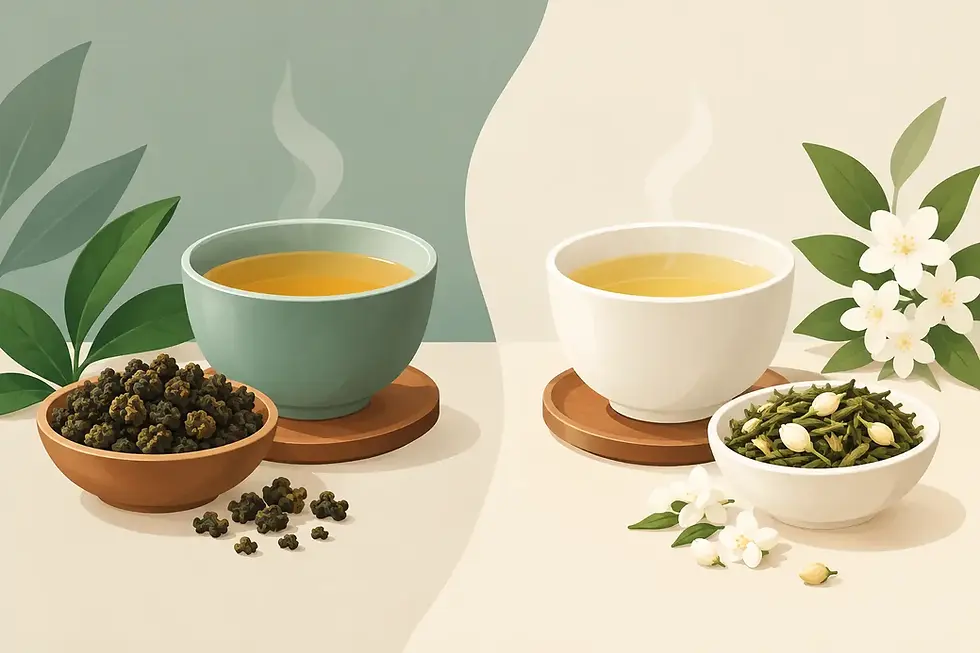
Fruit tea starts with brewed tea, then builds flavor with fruit syrups, purées, juices, or fresh fruit-inspired blends. Depending on the drink, the tea can be black, green, jasmine, oolong, or another variety with its own aroma and character. The result is usually crisp, fragrant, and lively, with fruit flavor front and center.
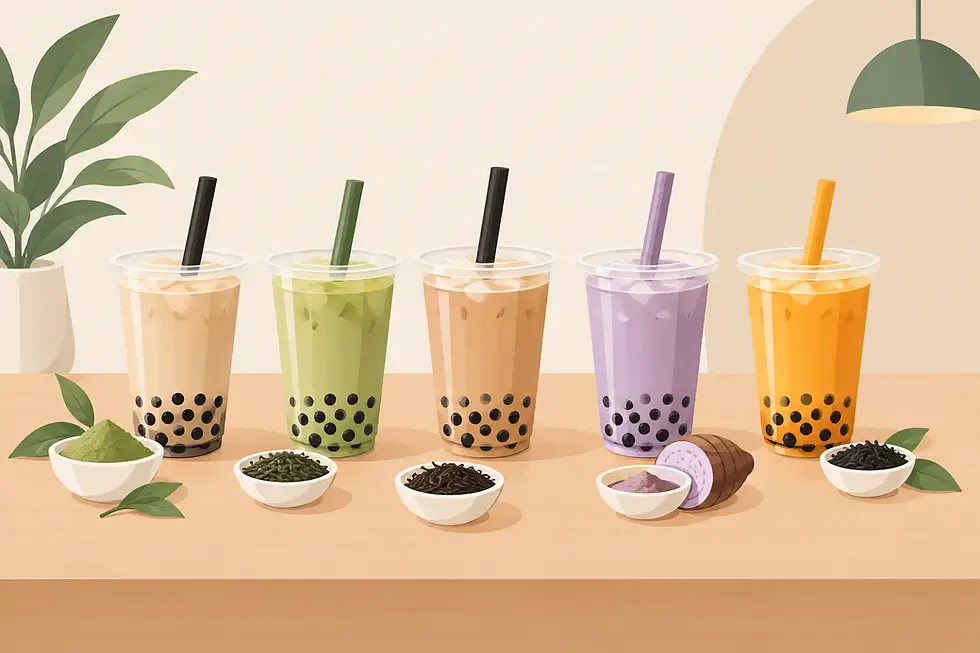
Milk tea combines brewed tea with milk, creamer, or a non-dairy alternative. Its profile is softer and rounder. A strong black tea can give milk tea a malty backbone, while jasmine or other teas can add floral notes beneath the creaminess. Brown sugar, honey, taro, matcha, and other flavors often turn the drink into a full-on treat.
Think of fruit tea as a sparkling summer-color kind of mood, even when it is served without carbonation. Milk tea is closer to a sweet café drink - comforting, rich, and especially satisfying when you want something more substantial than a simple refreshment.
Choose Fruit Tea When You Want Bright, Juicy Flavor
Fruit tea is often the pick for people who love iced tea, lemonade, fruit punch, or tart, refreshing drinks. It has a clean finish that keeps the tea and fruit notes clear rather than creamy. Citrus flavors can feel zesty and brisk, while mango, peach, strawberry, lychee, or passion fruit can bring a softer tropical sweetness.
It is also a great entry point for someone new to boba. A familiar fruit flavor makes the experience feel easy, while the tea adds a little more character than a standard juice drink. If you are unsure how you feel about milk-based beverages, fruit tea lets you explore the world of boba without committing to a creamy profile.
Fruit tea shines with lighter toppings. Crystal boba, aloe, fruit jellies, and popping boba can add texture without changing the drink’s bright personality. Classic tapioca pearls work beautifully, too, especially when you want that satisfying chew against a cool, juicy tea.
The trade-off is that fruit tea can be more direct. If you prefer richness, a tart or floral fruit tea may feel a little too light. Sweetness matters here as well. A full-sugar tropical drink can be deliciously bold, but a lower-sugar option may allow the tea and fruit notes to come through more clearly. It depends on whether you are after a candy-like treat or a cleaner, more tea-forward sip.
Fruit tea pairs well with active days
A fruit tea is a natural choice for a sunny walk, an afternoon study break, or a drink stop before meeting friends. It feels especially refreshing when you are warm, thirsty, or looking for a change from soda. For many guests, it is the beverage version of choosing something colorful just because the day could use it.
Choose Milk Tea When You Want Creamy Comfort
Milk tea is for the moments when refreshment is not enough and you want a little indulgence. The creaminess smooths out the tea’s sharper edges and gives each sip a fuller body. That makes milk tea especially appealing for coffee drinkers who enjoy lattes, for dessert fans, and for anyone who likes a drink that feels like a small reward.
Classic milk tea remains popular for a reason. It lets the tea flavor stay present while the creamy base brings balance. Brown sugar milk tea leans more caramel-like and dessert-forward. Taro can be sweet and gently nutty, while matcha milk tea brings grassy, earthy notes that play beautifully with creaminess. Each one has its own personality, but all share that soft, satisfying finish.
Tapioca pearls are an especially natural match for milk tea. Their chewy texture and subtle brown sugar flavor fit right into the drink’s richer profile. Pudding, grass jelly, or coffee jelly can also add a more dessert-inspired texture, depending on the flavor you choose.
Milk tea is not automatically heavier in every sense, but it often tastes richer because of the dairy or creamer base. If you are ordering one before dinner, you may want a smaller size or less sweetness. If it is your afternoon treat, though, that fuller texture can be exactly the point.
Milk tea makes a great coffee alternative
When coffee sounds too intense but you still want a drink with character, milk tea offers a welcome change of pace. Many teas naturally contain caffeine, though the amount varies by tea and recipe. You get a gentle tea presence, a creamy finish, and a drink that feels made for lingering over a conversation.
How Sweetness Changes Both Drinks
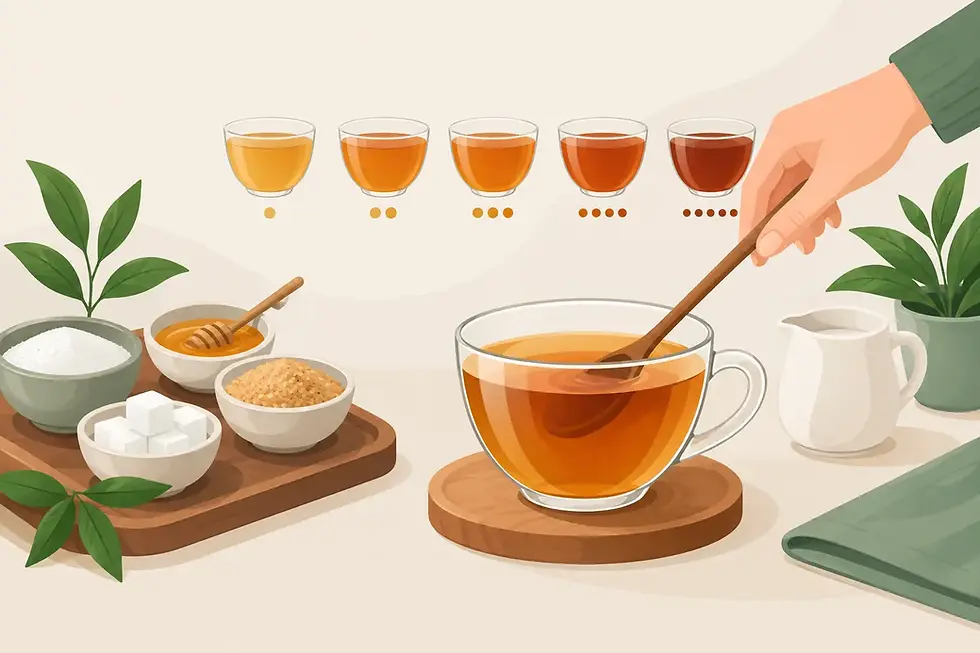
The same flavor can taste completely different at 25 percent sweetness and at full sweetness. That is part of the fun of ordering boba: you are not only selecting a flavor, but shaping the experience.
With fruit tea, less sweetness can bring out tartness, floral notes, and the true character of the tea. Higher sweetness can make flavors like peach, mango, or strawberry feel fuller and more playful. If you are trying a fruit tea for the first time, a middle sweetness level is often a comfortable starting point.
With milk tea, reducing sweetness can make the tea taste more pronounced and keep a creamy drink from feeling too rich. Full sweetness can work well for dessert-like choices such as brown sugar or taro. There is no prize for ordering the least sugar or the most. The right level is the one that lets you enjoy the drink from the first sip to the last pearl.
Ice also matters. More ice makes a drink extra cold and gradually lightens the flavor as it melts. Less ice keeps the flavor more concentrated, which can be lovely for creamy milk teas or bold fruit blends. Small adjustments can make a favorite drink feel newly personal.
What About Dairy-Free Options?
Fruit tea is usually the simpler choice for guests avoiding dairy because its base is tea and fruit flavor. Still, recipes and toppings can vary, so it is always smart to ask about a specific drink if dairy is a concern.
Milk tea can often be enjoyed with a non-dairy milk or creamer option when available. The flavor will shift slightly - sometimes in a great way. Oat-style options can add extra softness, while other alternatives may let the tea flavor stand out more. If you love the idea of milk tea but prefer to skip dairy, ask what substitutions best suit the flavor you have in mind.
A Simple Way to Pick Your Next Boba
Start with your craving, not the menu pressure. If you want crisp, fruity, tangy, or floral, choose fruit tea. If you want smooth, creamy, toasted, or dessert-inspired, choose milk tea. Then choose your sweetness and topping based on how bold or playful you want the final drink to feel.
If you are ordering for a group, fruit tea and milk tea make an easy split. One person can go for passion fruit with popping boba while another settles into a classic milk tea with chewy pearls. That variety is part of what makes a boba stop feel like a shared little celebration rather than a routine drink run.
At Beautea Bubbles, every beverage is a celebration of flavor, whether your perfect order is bright and juicy or creamy and comforting. Let your mood choose today, and save the other side of the fruit tea versus milk tea debate for your next visit.
Comments