

Does Boba Contain Caffeine? What’s in Your Cup

The answer to “does boba contain caffeine” depends less on the pearls and more on what is swirling around them. Those chewy, joyful tapioca bubbles are naturally caffeine-free. But when they are paired with black tea, green tea, oolong, or matcha, your boba drink can offer a welcome little lift along with every sip.
That is part of the fun of bubble tea: one drink can be a bright afternoon pick-me-up, while another can be a mellow, caffeine-free treat to enjoy with friends. Knowing the difference helps you choose a flavor experience that feels just right for your day.
Does Boba Contain Caffeine? The Short Answer
Boba itself does not contain caffeine. Traditional boba pearls are usually made from tapioca starch, water, and sweetener, then cooked until they reach their signature soft, springy chew. They bring texture and sweetness, not caffeine.
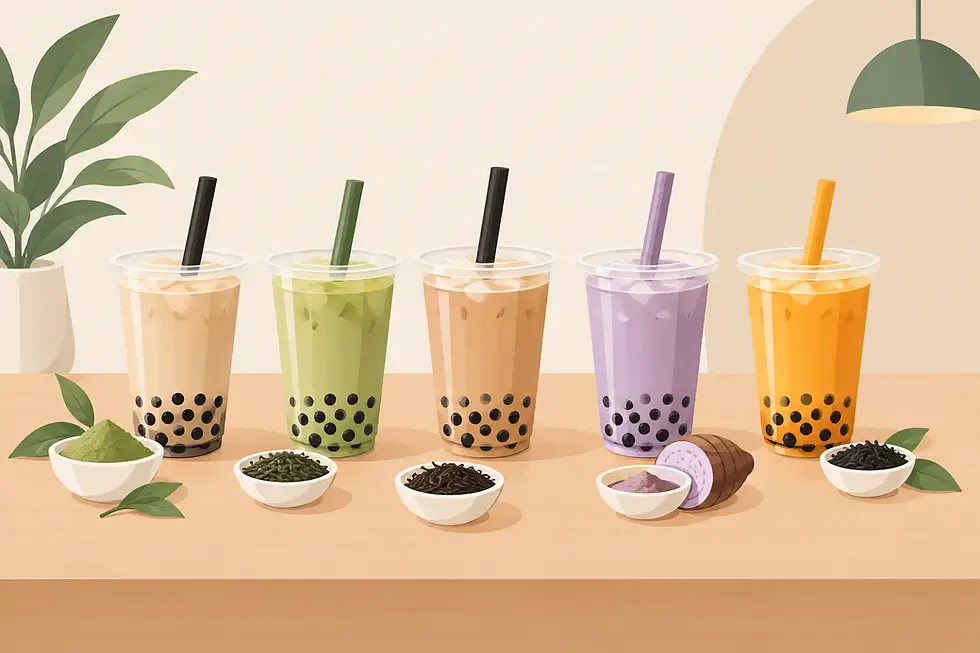
The caffeine comes from the beverage base. A classic milk tea made with black tea will typically contain caffeine. A fruit tea built on green tea may contain some, too. A creamy taro drink made from a caffeine-free powder and milk may not have any caffeine at all, though recipes vary from shop to shop.
So rather than asking whether the boba contains caffeine, it is more useful to ask: What tea, coffee, or flavor base is in this particular drink?
Which Bubble Tea Bases Have Caffeine?
Tea leaves naturally contain caffeine, so drinks made with brewed tea are the most common source. The amount can shift based on the tea variety, how strongly it is brewed, and the serving size.
Black tea
Classic milk tea often begins with black tea. It has a fuller, deeper tea flavor that stands up beautifully to milk, creamers, brown sugar, and caramel-like notes. It is usually one of the more caffeinated choices on a boba menu, although it still often has less caffeine than a typical cup of brewed coffee.
Green tea
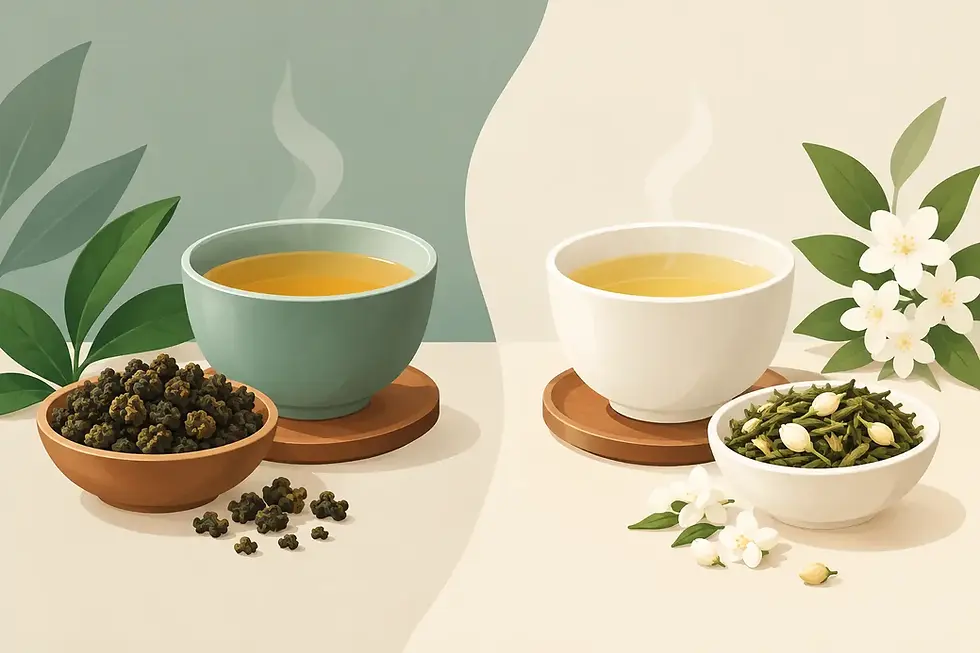
Green tea is frequently used in refreshing fruit teas and lighter milk teas. It generally contains caffeine, but often less than black tea. Its fresh, grassy character pairs especially well with citrus, peach, lychee, mango, and floral flavors.
Oolong tea
Oolong sits between green and black tea in both flavor and processing style. It can range from lightly floral to richly roasted, and it contains caffeine. If you love a more tea-forward boba drink, oolong offers wonderful complexity without losing the playful personality of bubble tea.
Matcha
Matcha is ground green tea powder whisked directly into a drink rather than steeped and removed. Because you consume the whole leaf, matcha can deliver a noticeable caffeine boost. It also has a creamy, earthy flavor that works beautifully with milk and brown sugar.
Coffee and espresso drinks
Some boba creations use coffee, espresso, or coffee-flavored ingredients. These are typically the drinks to choose when you want a more obvious energy boost, but they may not be the best fit for an evening treat or for anyone limiting caffeine.
How Much Caffeine Is in Boba Tea?
There is no single number for all boba drinks. A tea-based bubble tea may contain roughly 30 to 70 milligrams of caffeine in a typical serving, but that range is only a general guide. A strongly brewed black tea or matcha drink may have more, while a lightly brewed green tea drink may have less.
For perspective, an 8-ounce cup of coffee often contains around 80 to 100 milligrams of caffeine, and many coffee-shop drinks contain much more because of their larger size or added espresso shots. Bubble tea can be a gentler alternative for people who enjoy a little afternoon energy without the intensity of a large coffee.
Still, size matters. A larger boba drink naturally includes more tea and may therefore include more caffeine. The same goes for extra matcha, concentrated tea bases, or coffee additions.
Boba Drinks That May Be Caffeine-Free
If you are avoiding caffeine, you do not have to skip the celebration of flavor. Many boba drinks can be made without a traditional tea base, depending on the recipe and available options.
Caffeine-free possibilities may include milk-based flavors such as taro, coconut, strawberry, melon, or chocolate; slush-style drinks; lemonade-style fruit drinks; and beverages made with herbal tea or naturally caffeine-free fruit infusions. Tapioca pearls, popping boba, jellies, and most fruit toppings are generally caffeine-free as well.
There are a few exceptions worth keeping in mind. Coffee jelly contains caffeine because it is made with coffee. Chocolate ingredients can contain a small amount of caffeine. Some flavor powders and premade mixes may also vary by brand, so a flavor that sounds caffeine-free is not always guaranteed to be completely caffeine-free.
The easiest move is simple: tell the team that you want a caffeine-free choice. They can help identify a drink base that delivers the flavor you are craving without the tea or coffee.
How to Choose the Right Caffeine Level for Your Day
Bubble tea is wonderfully customizable, and caffeine is one more part of making the drink your own. If you need a midday refresh between classes, meetings, or Denver errands, a black tea, green tea, or matcha-based drink can bring flavor and a gentle lift.
If you are stopping in later in the day, sharing a treat with kids, or simply prefer to keep your evening calm, ask for a non-tea option. A creamy fruit flavor with tapioca pearls can still feel indulgent and playful without changing your sleep plans.
For people who are especially sensitive to caffeine, small adjustments can make a meaningful difference. Choose a smaller size, select a lighter tea such as green tea rather than black tea, or skip matcha and coffee jelly. If you are pregnant, managing a health condition, or following medical guidance around caffeine, your health care professional can offer the most personal recommendation.
Tea Flavor and Caffeine Do Not Always Match
It is tempting to judge caffeine by color or sweetness, but the flavor of a boba drink does not always reveal what is underneath. A pale, creamy milk tea may have a black tea base. A vivid mango drink may be made with green tea. A rich brown sugar drink can be caffeine-free if it is milk-based, or caffeinated if tea is included.
That is why asking about the base is more useful than relying on the drink name alone. It also opens the door to finding new favorites. Maybe you love the toasted depth of black tea with brown sugar, or perhaps a floral green tea gives your fruit drink the brightness you have been missing.
At Beautea Bubbles, every beverage is a celebration of flavor, and the best order is the one that fits both your taste and your moment. Whether you are chasing a tea-forward sip or a caffeine-free sweet treat, a quick question at the counter can turn a good choice into your perfect cup.
A Better Way to Order Boba With Confidence
When you are ordering, start with the experience you want: energized, refreshed, cozy, or caffeine-free. Then ask what the drink is made with. You can say, “Does this have a tea base?” or “Which options are caffeine-free?” Those two questions usually give you everything you need.
Do not forget that toppings are mostly about texture. Classic boba pearls add their familiar chew, popping boba brings a burst of fruit, and jellies add a softer bite. Unless you choose coffee jelly or another coffee-based add-on, your topping is unlikely to change the caffeine level much.
The next time you are choosing between a creamy milk tea and a colorful fruit drink, let your schedule guide you as much as your craving. There is room for both: a bright tea-based boba when you want a little momentum, and a caffeine-free creation when the only thing you need is a delicious reason to slow down.
Comments